Why Aluminum Alloy and Teflon Blades Are the Future
The Evolution of Pipe Cutting Tools: Why Aluminum Alloy and Teflon Blades Are the Future
In the fast-paced world of plumbing and construction, precision and durability are non-negotiable. As the plastic pipe market surges toward a projected value of $96.52 billion in 2025, driven by demand for efficient installation in residential and commercial projects, pipe cutting tools have evolved dramatically. Gone are the days of jagged edges and frustrating rework—today's innovations focus on materials like aluminum alloy for lightweight strength and Teflon-coated blades for unparalleled smoothness.
Our premium pipe cutter exemplifies this evolution. Crafted with an aluminum alloy handle, it offers ergonomic comfort and corrosion resistance, ideal for extended use on job sites. The standout feature? Our Teflon-coated blade, which glides through PVC and PPR pipes with minimal friction, delivering clean, burr-free cuts every time. This not only speeds up workflows but also ensures seamless fusion compatibility, reducing leak risks in water systems.
Why does this matter? Traditional hacksaws or utility knives often leave uneven edges that compromise joint integrity. In contrast, Teflon's non-stick properties prevent material buildup, extending blade life and maintaining cut precision even after hundreds of uses. For wholesalers, retailers, and builders stocking tools from brands like Rothenberger or Topex, integrating such cutters means stocking products that pros swear by.
As sustainability trends push for longer-lasting tools in 2025 plumbing installations, our pipe cutter stands out as a reliable partner. Whether you're outfitting a tool supermarket or supplying pipe manufacturers, it's time to upgrade—precision cuts start here.
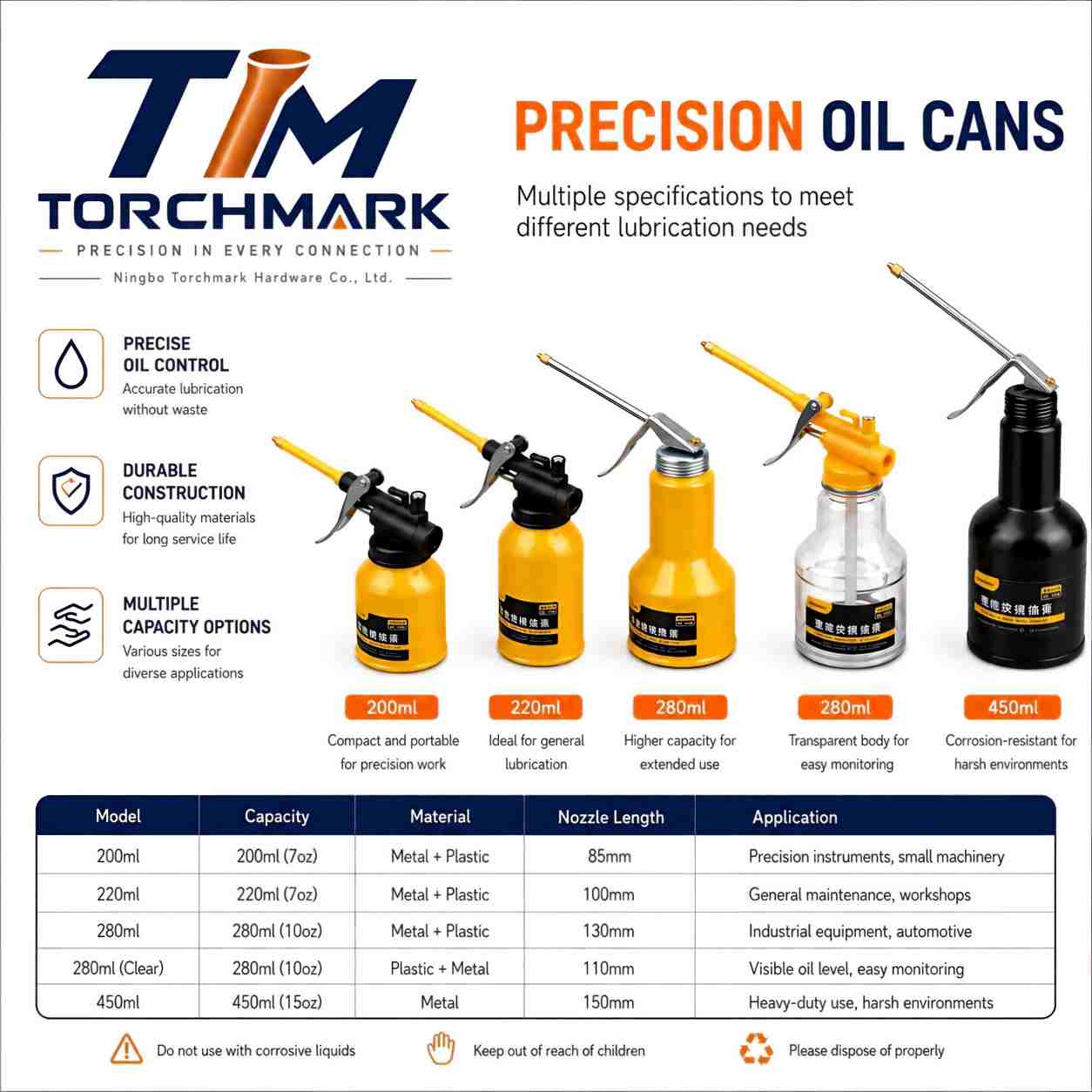 Manual Oil Can Manufacturer: OEM Sourcing Guide for Distributors