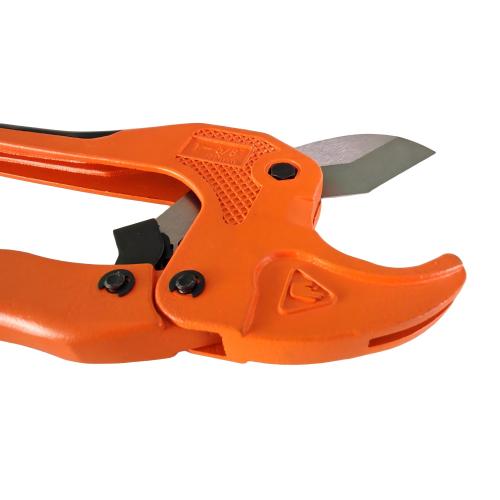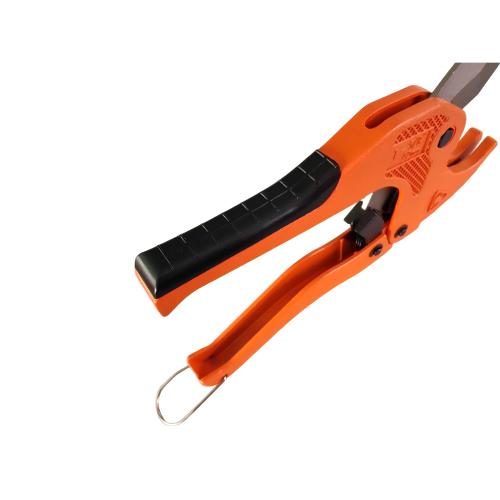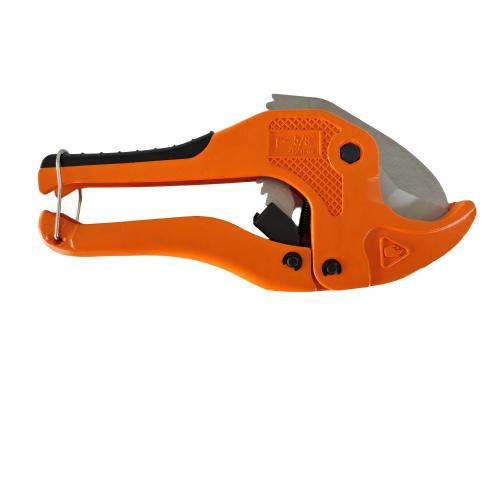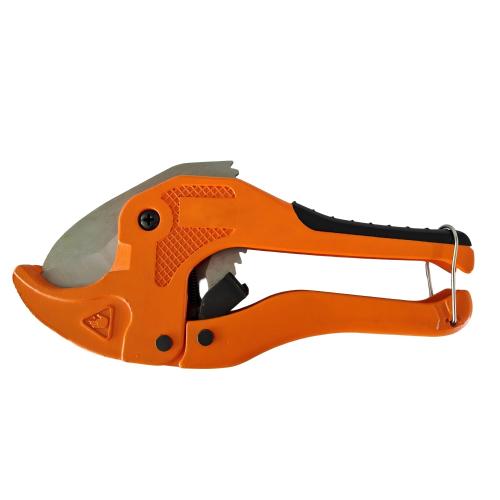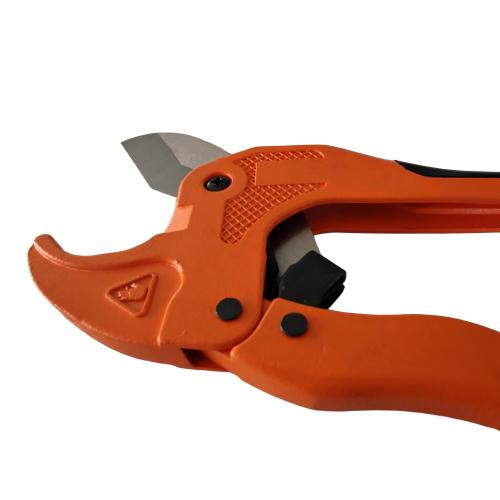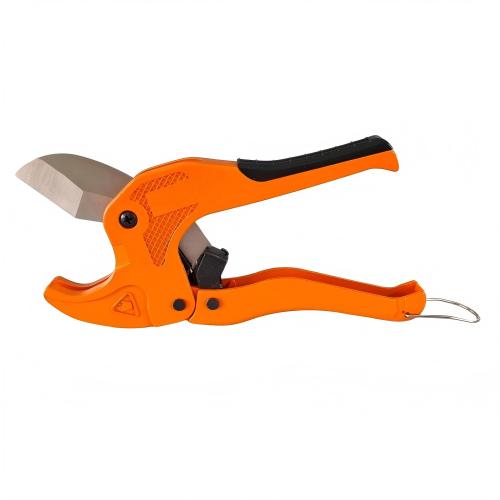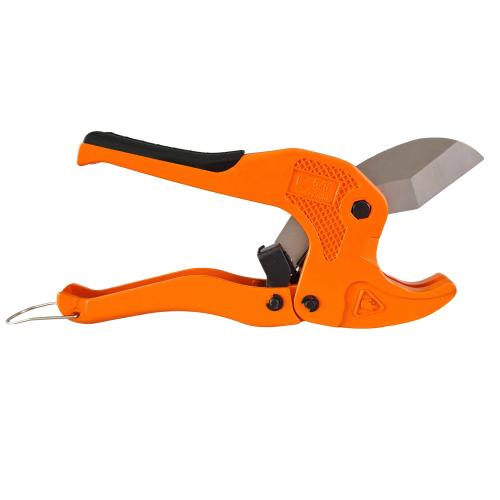


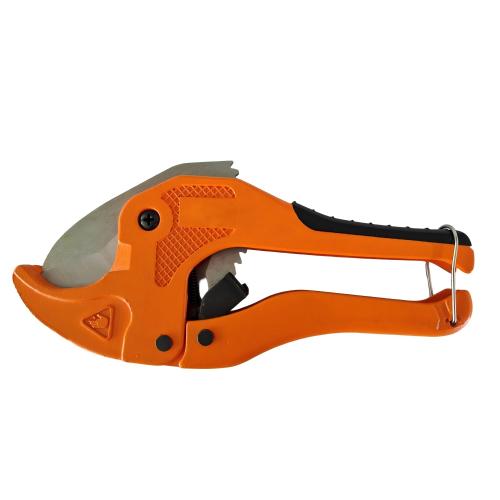
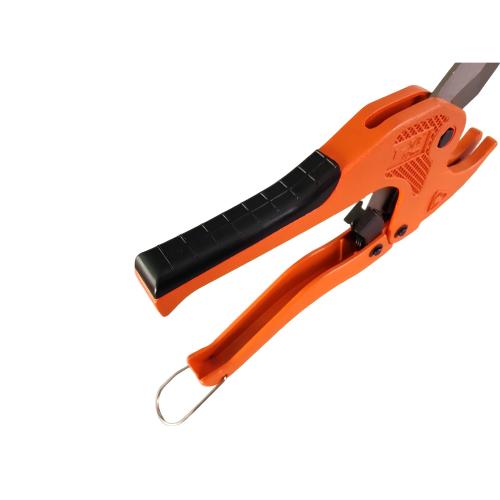
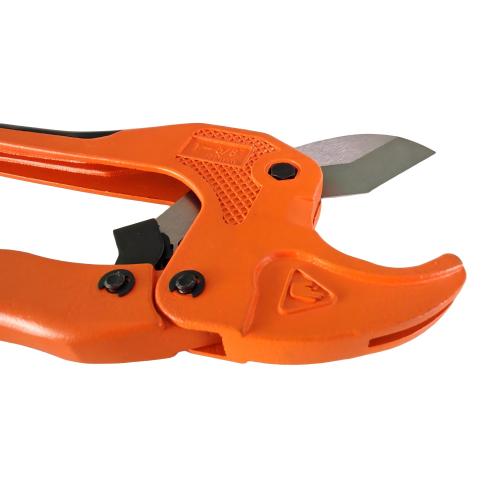
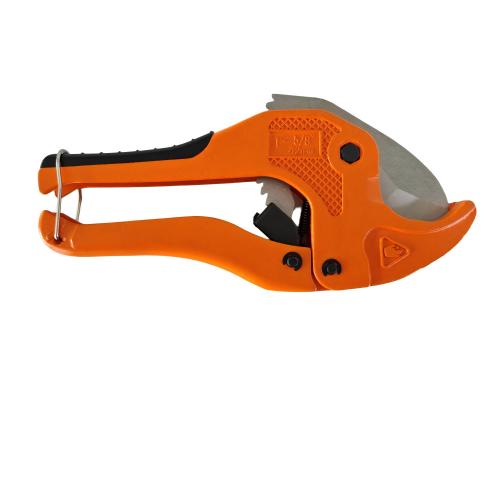
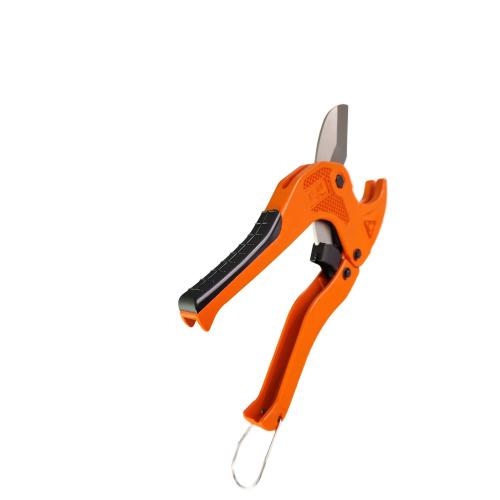
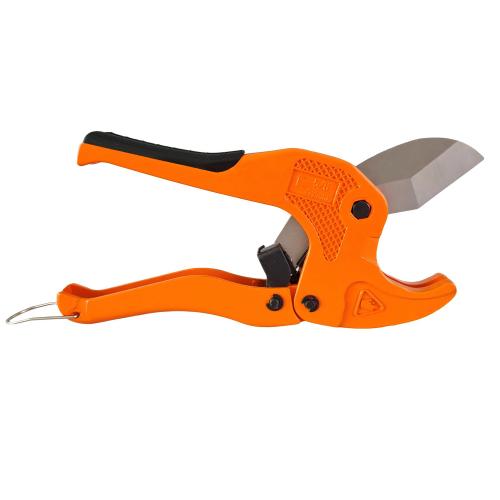
42 mm PVC PPR Pipe Cutter Professional

Order Information & Inquiry Options
Choose whichever channel fits your buying process — we reply to all three within 12 hours, Monday to Saturday.
WhatsApp: +86 15867457689 — Amy
Email: amy@longrunhardware.com — for formal RFQ with target spec, quantity, destination port, and Incoterms (FOB Ningbo / CIF / DDP)
RFQ form: Request a Quote online — structured form, 15 fields, takes ~3 minutes
For OEM / private-label programs, please include your target spec, color, logo file (AI / PDF / PNG), retail box design, quantity, and destination port. Our export team will confirm specification, sample plan, lead time, and FOB / CIF pricing.
About the Author
Alisa Xu | Product Manager | Ningbo Torchmark Hardware Co., Ltd.
0086-13429254575 | Alisa Xu on LinkedIn
Why PPR Is Not Cut the Same Way as PVC
PPR is sold by pressure class, not just diameter. A PN20 pipe and a PN25 pipe at the same nominal 42 mm have different wall thicknesses, and that difference is what a cutter feels. Buyers who switch from PVC to PPR without changing tool expectations are the ones who report "the blade went blunt in a week".
What changes when the pipe is PPR
Thicker wall. PPR carries pressure rating in the wall, so there is more material to shear at the same diameter.
Higher friction. PPR grabs the blade face more than PVC and generates a stickier swarf.
Square-cut requirement. PPR is heat-fused, not solvent-welded. A bevelled mouth reduces the fusion contact area and is a common cause of joint failure.
Less tolerance for ovality. A crushed, oval pipe will not enter the fusion socket cleanly.
The practical implication for tool selection
For PPR work, prioritise a stiff jaw and a blade that holds a ground edge. Ratchet action is not a luxury here — it is what lets the operator feed the blade slowly enough to keep the cut square through a thick wall.
Rated Capacity: Reading 42 mm Honestly
A 42 mm rating describes nominal pipe size under normal wall thickness. It is not a guarantee that every 42 mm pipe in every pressure class will cut with one stroke. We state this plainly because it is the single most common source of post-sale questions in this category.
How wall thickness eats into rated capacity
As the wall thickens, the jaw has to open wider to admit the same nominal pipe, and the blade has to travel further. The result is that a PN25 pipe at 42 mm can feel like a PN20 pipe at 50 mm. If your market is predominantly PN25, tell us when you enquire and we will confirm whether this model or a larger one is the right fit.
When to step up a size
If your customers routinely cut above 42 mm nominal, the honest recommendation is a larger tool rather than repeated hard strokes on this one. The 63 mm ratchet PVC pipe cutter covers the upper range with the same ratchet action.
Getting a Square Cut for Heat Fusion
PPR joints are made by melting pipe and fitting together. The quality of that joint starts with the cut, and there are three failure modes worth knowing before you write a product specification.
| Cut defect | What causes it | What it does to the joint |
|---|---|---|
| Bevelled mouth | Blade flex from a thin or worn edge | Reduced fusion area; weak joint |
| Oval pipe | Over-tightening the ratchet on soft or warm pipe | Pipe will not seat fully in the socket |
| Ragged or torn edge | Dull blade tearing rather than slicing | Material folds into the joint during fusion |
Process notes that prevent all three
Cut at room temperature. Warm PPR is soft and will ovalise under the jaw.
Advance the ratchet in short steps on thick wall rather than forcing a deep stroke.
Replace the blade at the first sign of tearing. A blade is far cheaper than a failed pressure test.
Blade Life on PPR Versus PVC
Expect shorter blade life on PPR than on PVC at the same diameter. That is normal physics, not a defect, but it changes what a distributor should stock.
What to tell your customers
If a professional crew cuts PPR every day, they will consume blades. Selling them the cutter without a blade programme means they will buy blades from someone else. Stocking the matching blade is the difference between a one-time sale and a repeat account.
Which blade specification suits PPR
For PPR-heavy markets, specify high-carbon steel with a Teflon surface treatment. The coating reduces the friction and swarf build-up that makes PPR cutting feel heavy. The full blade options are listed on the 42 mm automatic PVC pipe cutter OEM page.
Who This Model Suits
This is the specification to quote when the buyer's customers are professional installers working on pressurised hot and cold water, rather than a general DIY audience cutting the odd length of drain pipe.
Typical buyer profiles
PPR system distributors stocking tools alongside pipe and fusion machines.
Plumbing wholesalers whose trade counter customers ask for a cutter that handles both PVC and PPR.
Private-label programmes that need one 42 mm SKU to cover a mixed plastic pipe range.
When a different model fits better
If the end use is mostly thin-wall hose, vinyl tube or irrigation pipe, the 42 mm plastic and vinyl pipe cutter is the closer match and is specified for non-metallic tube generally.
Packaging and Order Information
Retail presentation, carton quantity and barcode are specified per order. Send your artwork and target carton quantity and we will quote the packed configuration.
What to include in your enquiry
Pipe materials and pressure classes your customers cut most.
Blade steel and surface treatment preference.
Packaging format and whether you supply artwork.
Quantity and destination port, plus Incoterms.
Frequently Asked Questions
Will this cut PN25 PPR at 42 mm?
Yes, but expect a firmer stroke than on PN20 or PVC. If PN25 is the bulk of your volume, tell us and we will confirm whether this or a larger capacity model is the better fit.
Why does my blade blunt faster on PPR?
PPR has a thicker wall and higher friction than PVC at the same nominal diameter. More material per cut and more drag on the blade face is normal; plan blade replenishment accordingly.
Does a bevelled cut really matter?
Yes. PPR is heat-fused, so the cut face is the fusion surface. A bevelled or torn mouth reduces contact area and is a recognised cause of joint failure under pressure.
Should I specify a coated blade?
For PPR, yes — Teflon over heat treatment reduces drag and swarf build-up. For PVC and PEX indoors, plain heat treatment performs the same and costs less.
Is 42 mm enough for my market?
If your customers cut above 42 mm nominal regularly, step up to the 63 mm model rather than forcing repeated hard strokes.
Can I order a mixed carton of 42 mm and 63 mm?
Yes. Mixed orders are normal in this category — state both capacities and the split you want.
Next Step
Send the pipe materials, pressure classes, blade specification, packaging and quantity you need. Our export team will confirm specification, sample plan, lead time and FOB or CIF pricing. Email amy@longrunhardware.com, alisa@longrunhardware.com. Related: the PVC and PPR tool buying guide and the full PVC pipe cutter range.
Related Buying Guides
Building a plastic pipe tooling line? These guides cover sizing standards and B2B sourcing basics.
Questions buyers ask about PVC pipe cutters
What is the difference between a ratcheting and a scissor-style PVC cutter?
A scissor cutter is light and fast for small-diameter, low-wall pipe you cut all day; a ratcheting cutter multiplies your force for larger or thicker-wall PVC and CPVC with less hand fatigue. Choose by the largest diameter you regularly cut.
What is the maximum diameter a PVC pipe cutter handles?
Scissor cutters typically cover up to about 42 mm (1-1/4 in); ratcheting models reach 50-63 mm (2-2-1/2 in) and heavy models a bit more. Cutting beyond rated capacity damages the blade and leaves a ragged edge.
How do I get a square, burr-free cut?
Mark a square line, keep the cutter square to the pipe, and close in steady strokes rather than twisting. A light pass with a deburring tool on the inside edge removes the lip that restricts flow and snags fittings.
When should I replace the blade?
Replace when cuts need more force, start to crush rather than slice, or leave a ragged or angled edge. A sharp blade cuts cleaner and puts less stress on the joint; keep a spare blade in the kit.
Can the same cutter be used on PEX or CPVC?
CPVC cuts like PVC with the same tool. PEX is better cut with a dedicated PEX/scissor cutter or a tubing shears to avoid distorting the bore; a PVC ratchet can pinch PEX out of round.