

42 mm Automatic PVC Pipe Cutter OEM
Popular 42mm 1 5/8'' PVC Plastic Pipe Cutter
Material: Aluminium Alloy Handle
Blade: Stainless Iron/High Carbon Steel
Treatment for the Blade Surface: Hot Treatment/Teflon
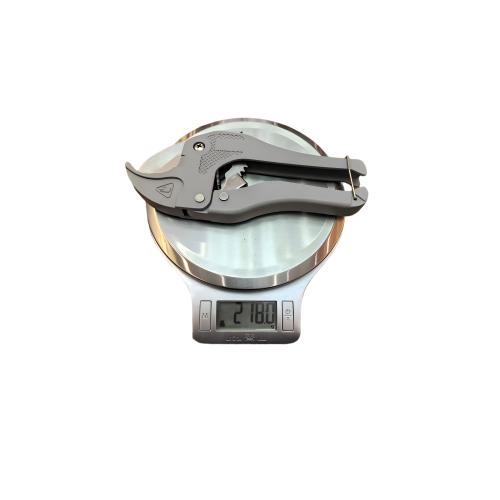
Net Weight: 210g
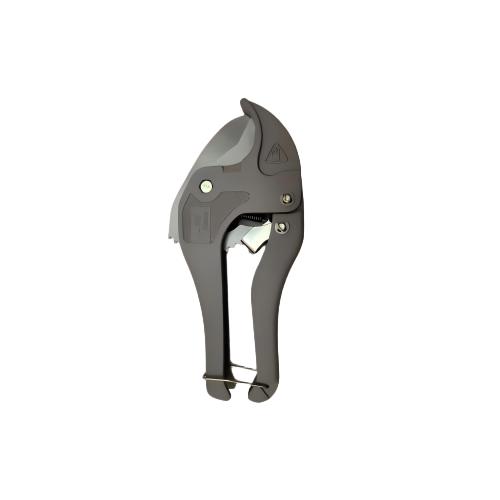
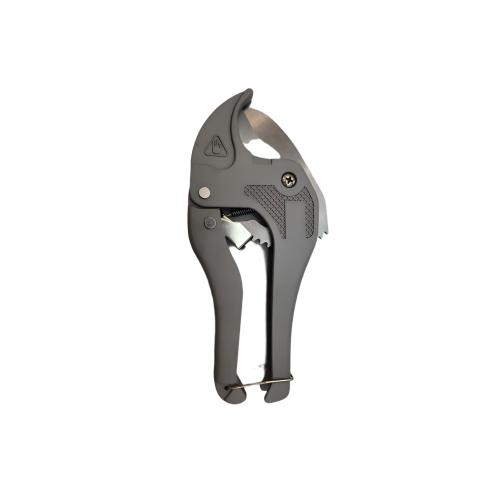
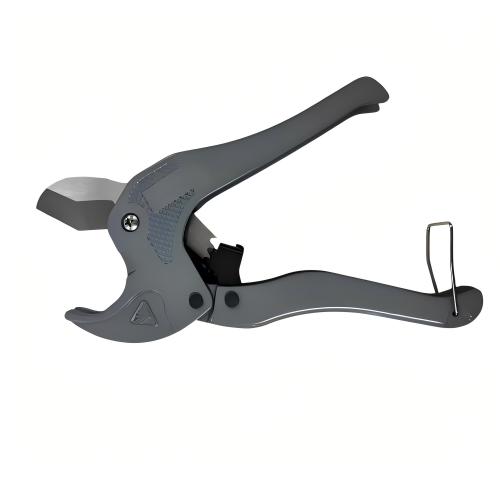
As a ten-year experiecnce of pipe cutter factory, we could make OEM and ODM, PVC plastic pipe cutter and fusion pipe welder.
Order Information & Inquiry Options
Choose whichever channel fits your buying process — we reply to all three within 12 hours, Monday to Saturday.
WhatsApp: +86 15867457689 — Amy
Email: amy@longrunhardware.com — for formal RFQ with target spec, quantity, destination port, and Incoterms (FOB Ningbo / CIF / DDP)
RFQ form: Request a Quote online — structured form, 15 fields, takes ~3 minutes
For OEM / private-label programs, please include your target spec, color, logo file (AI / PDF / PNG), retail box design, quantity, and destination port. Our export team will confirm specification, sample plan, lead time, and FOB / CIF pricing.
About the Author
Alisa Xu | Product Manager | Ningbo Torchmark Hardware Co., Ltd.
0086-13429254575 | Alisa Xu on LinkedIn
What "OEM" Means on a 42 mm PVC Pipe Cutter
An OEM order in this category is rarely about the plastic. Two cutters can share a jaw geometry and differ entirely in cost, feel and shelf life because of four choices: handle alloy, blade steel, blade surface treatment, and packaging. This page sets out each choice so you can write a purchase order that a factory can quote without a second round of questions.
The four variables that decide unit cost
Handle material. Aluminium alloy is the standard for 42 mm capacity. It is light enough for overhead work and stiff enough not to flex under a hard squeeze.
Blade steel. Stainless iron or high-carbon steel. High-carbon holds an edge longer; stainless iron resists corrosion in humid markets.
Blade surface treatment. Heat treatment alone, or heat treatment plus Teflon. Teflon reduces drag on PPR and ABS.
Packaging. Single blister, double blister, or bulk carton. This is often the largest single cost lever after the blade.
What does not change
The jaw geometry, the ratchet mechanism and the 42 mm capacity rating stay the same across OEM variants. That means your tooling and artwork investment transfers if you later move up or down the blade specification.
Handle Material: Aluminium Alloy and Why It Is Standard
At 42 mm capacity the handle has to survive a hard squeeze repeatedly without the jaw opening up. Aluminium alloy is the industry default because it is stiff at a wall thickness that keeps the tool light enough for one-handed overhead cuts.
Where a cheaper handle fails
Injection-moulded handles on low-cost shears flex under load. The symptom is not a broken handle but a bevelled cut: the blade tilts a degree or two, and the pipe mouth will not seat squarely in a fitting. On solvent-weld PVC this shows up as a joint that weeps under pressure test.
Finish options you can specify
Anodised colour. Useful if your brand has a house colour; common choices are red, blue and black.
Powder coat. More durable on site, slightly higher cost, broader colour range.
Raw with logo pad print. Cheapest option and adequate for a trade channel that is not retail-facing.
Blade Steel: Stainless Iron or High-Carbon Steel
This is the single most consequential line on your specification, and the one buyers most often leave to the factory. The two options behave differently in service.
| Blade option | Edge retention | Corrosion resistance | Best market |
|---|---|---|---|
| High-carbon steel, heat treated | Holds a sharp edge longest | Needs dry storage; will rust if left wet | Trade and industrial channels, dry climates |
| High-carbon steel with Teflon | Same edge, less drag and less dust adhesion | Better than untreated, still not stainless | PPR and ABS heavy markets |
| Stainless iron | Slightly shorter edge life | Good resistance to humidity and site wetness | Coastal and tropical markets, outdoor irrigation |
How to choose without over-specifying
If your customers cut PVC and PEX indoors, high-carbon steel is the right call and the cheapest. If your market is coastal, humid, or the tool lives in the back of a van, pay for stainless iron. Over-specifying stainless for a dry indoor market adds cost your customer will never notice.
Surface Treatment: Heat Treatment, Teflon, or Both
Heat treatment is not optional — it is what makes the steel hold an edge. Teflon is an add-on that changes how the blade behaves on specific materials.
When Teflon is worth the extra cost
PPR and ABS. These generate more friction and dust than PVC. A coated blade stays cleaner through a long cut.
High-volume cutting. Less drag means less hand fatigue across a day of repetitive cuts.
Humid storage. The coating adds a measure of corrosion protection between jobs.
When it is not
If your volume is PVC and PEX cut indoors, plain heat treatment performs the same and costs less. We would rather tell you that than sell you coating you do not need.
Packaging Options and What They Cost You
Packaging is where an OEM programme is won or lost at retail. Three formats cover almost every order we ship in this capacity.
Single blister with colour card
The default. Cheapest, lightest, and the format most hardware chains already have shelf space for. Best when your channel is price led.
Double blister
Heavier shelf presence and more room for multilingual text. Costs more per unit and adds carton weight, which matters if you are shipping by air for a launch.
Bulk carton
For trade and industrial buyers who do not need retail presentation. Lowest unit cost, highest units per carton.
Artwork and barcode
Send logo files as AI, PDF or PNG, plus your retail box design and barcode format. If you do not have artwork, we can supply a template layout for your brand to drop into.
How to Write a Purchase Order We Can Quote in One Pass
The single biggest cause of delay in this category is an RFQ that omits the blade specification. Here is the minimum that lets our export team quote without coming back to you.
Checklist
Capacity required (42 mm is this model; state if you also need 63 mm).
Handle material and finish, including colour.
Blade steel and surface treatment.
Packaging format and whether you supply artwork.
Barcode format and numbering.
Target quantity and whether a mixed container is acceptable.
Destination port and Incoterms — FOB Ningbo, CIF, or DDP.
Sampling
We ship paid samples built to your specification, not a generic catalogue sample. That is the only reliable way to test blade life and handle feel on the pipe stock your market actually uses.
Frequently Asked Questions
What is the minimum order for an OEM blade specification?
Send your target quantity and we will confirm. Blade steel and treatment changes are usually viable from a single carton run; custom handle colour may need a higher threshold.
Can I put my own brand on the handle?
Yes — pad print, laser mark or anodised colour depending on the finish you choose and the quantity.
Is Teflon coating necessary?
Only for PPR or ABS heavy use, or humid storage. For PVC and PEX cut indoors, plain heat treatment performs the same and costs less.
Do you supply artwork templates?
Yes. Send your logo as AI, PDF or PNG and we can lay out a blister card for your approval.
Can I mix 42 mm and 63 mm in one container?
Yes, mixed orders are normal. State both capacities and the split you want and we will quote the consolidated shipment.
How long does a sample take?
Samples are built to your specification and shipped paid. Send the specification above and we will confirm the sample plan and lead time together with pricing.
Next Step
Send your target specification, colour, logo file, retail box design, quantity and destination port. Our export team will confirm specification, sample plan, lead time and FOB or CIF pricing. Email amy@longrunhardware.com, alisa@longrunhardware.com. See also the 42 mm plastic and vinyl pipe cutter for material compatibility, and the PVC and PPR pipe tool range.
Related Buying Guides
Building a plastic pipe tooling line? These guides cover sizing standards and B2B sourcing basics.
Questions buyers ask about PVC pipe cutters
What is the difference between a ratcheting and a scissor-style PVC cutter?
A scissor cutter is light and fast for small-diameter, low-wall pipe you cut all day; a ratcheting cutter multiplies your force for larger or thicker-wall PVC and CPVC with less hand fatigue. Choose by the largest diameter you regularly cut.
What is the maximum diameter a PVC pipe cutter handles?
Scissor cutters typically cover up to about 42 mm (1-1/4 in); ratcheting models reach 50-63 mm (2-2-1/2 in) and heavy models a bit more. Cutting beyond rated capacity damages the blade and leaves a ragged edge.
How do I get a square, burr-free cut?
Mark a square line, keep the cutter square to the pipe, and close in steady strokes rather than twisting. A light pass with a deburring tool on the inside edge removes the lip that restricts flow and snags fittings.
When should I replace the blade?
Replace when cuts need more force, start to crush rather than slice, or leave a ragged or angled edge. A sharp blade cuts cleaner and puts less stress on the joint; keep a spare blade in the kit.
Can the same cutter be used on PEX or CPVC?
CPVC cuts like PVC with the same tool. PEX is better cut with a dedicated PEX/scissor cutter or a tubing shears to avoid distorting the bore; a PVC ratchet can pinch PEX out of round.
Packing for PVC Pipe Cutter
Single blister or
Double blister