


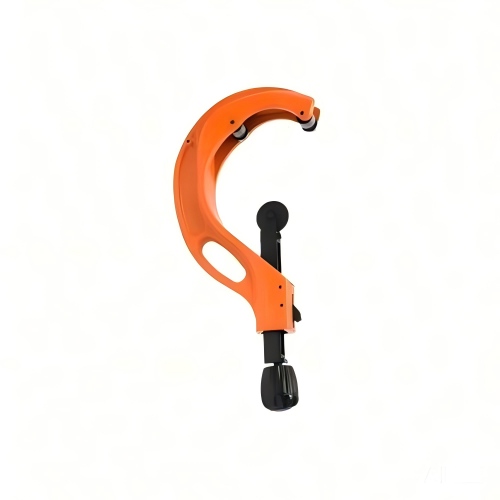
Large Tubing Cutter Pipe Cutter 168mm
Large pipe cutter 168mm tubing cutter
Aluminium Alloy 168mm Tubing cutter
Cutting Dia.: 100mm-168mm, 4''-6 5/8''
Suit for Copper Tube, plastic tube, aluminium tube and so on.
Net weight: 2.23KG
Order Information & Inquiry Options
Choose whichever channel fits your buying process — we reply to all three within 12 hours, Monday to Saturday.
WhatsApp: +86 15867457689 — Amy
Email: amy@longrunhardware.com — for formal RFQ with target spec, quantity, destination port, and Incoterms (FOB Ningbo / CIF / DDP)
RFQ form: Request a Quote online — structured form, 15 fields, takes ~3 minutes
For OEM / private-label programs, please include your target spec, color, logo file (AI / PDF / PNG), retail box design, quantity, and destination port. Our export team will confirm specification, sample plan, lead time, and FOB / CIF pricing.
About the Author
Alisa Xu | Product Manager | Ningbo Torchmark Hardware Co., Ltd.
0086-13429254575 | Alisa Xu on LinkedIn
Above 4 inches, the tool has to be square or the joint fails
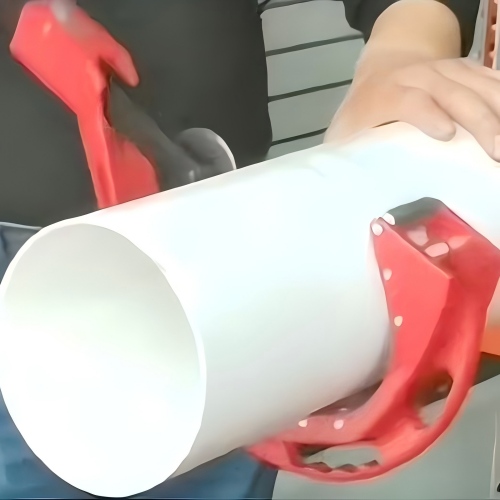
On a 168 mm pipe the wheel is in contact with a long arc, the wall is thin relative to the diameter, and any misalignment at the start of the cut is carried around the whole circumference. That is the reason the frame on this size is heavier than a small cutter's: it exists to hold the wheel square while the tool travels, not to look robust. At 2.23 kg it is also the point where the pipe is supported and the tool is rotated, rather than the other way round.
The second half of the job is the burr. A wheel cutter leaves one on any material, and on a large plastic pipe going into a fusion socket the burr stops the pipe seating fully — a partly seated weld fails at pressure test. Budget a reamer with the cutter.
Where this size is specified
Chiller and rack headers cut on site, irrigation and drainage mains in the 110 to 160 mm band, industrial copper and aluminium process lines, and fabrication shops that need one tool to cover several materials. Unit volume is low, and that is exactly why it is worth stocking: the buyer who needs it is already on site with the pipe cut short.
Three questions before ordering
Will it cut stainless? No — it is specified for copper, aluminium and plastic pipe. Stainless needs a different wheel and more force; tell us the wall thickness and we will say whether this tool suits the job.
How is it packed? Bulk in a master carton, without retail packaging. Carton quantity and gross weight are confirmed on the quotation because they drive freight cost.
Can it be branded? Yes, on the body and the carton print. With no retail blister, the carton becomes the branding surface.
Capacity range and spare wheel options are listed on our 168 mm tubing cutter page.
What the 168 mm capacity actually covers
A large tubing cutter is bought for the range a standard cutter cannot reach. The capacity figure is the whole reason the tool exists, and it is the number to check first.
100 to 168 mm is the working range
The tool covers 100 to 168 mm outside diameter, which is 4 to 6-5/8 inch. Below 100 mm a standard cutter is faster, and above 168 mm this tool stops.
Three materials, one tool
It is specified for copper tube, aluminium tube and plastic pipe. That breadth is what earns it a place in a plumbing van rather than a specialist's bag.
Aluminium body at 2.23 kg
The body is aluminium alloy and the tool weighs 2.23 kg. On a tool this size, weight is what makes it usable at shoulder height rather than only on a bench.
Why a large cutter is a different tool, not a bigger one
Above roughly 100 mm the cutting problem changes. The tool has to travel further around the tube and stay square through the whole revolution.
| Attribute | Specification | Why it matters |
| Capacity | 100 - 168 mm (4 to 6-5/8 in) | Sets both ends of the usable range |
| Body material | Aluminium alloy | Keeps a 2.23 kg tool manageable overhead |
| Net weight | 2.23 kg | Decides overhead and ladder use |
| Tube materials | Copper, aluminium, plastic pipe | One tool covers three site materials |
Getting a square cut above 100 mm
The most common complaint on a large cutter is a cut that drifts, leaving a face that is not square. That is a setup problem and it is visible on the first cut.
Start square and check after one turn
Set the wheel, make one full revolution and look at the scribe line. If it has drifted from the mark, the tool was not square when it started.
Feed in small increments
On large diameters, feeding too hard per turn is what makes the wheel skid and the cut wander. Light increments keep the wheel tracking the mark.
Support the tube, not the tool
At 168 mm the tube is heavy enough to pull the cut out of square. Support the tube either side of the cut rather than holding the tool against it.
Where this cutter is the wrong choice
Three situations need a different tool rather than more pressure on this one.
Tube under 100 mm
The tool is specified from 100 mm. Below that a standard tubing cutter is faster and leaves a cleaner face, and forcing a large cutter onto small tube damages the wheel.
Steel and stainless pipe
Copper, aluminium and plastic are the specified materials. Steel and stainless need a cutter with a different wheel and more feed force.
Buried or fixed pipe with no clearance
A large cutter needs room to swing the full circumference. Where there is no clearance, a saw or a chain cutter is the practical answer.
What to check on a sample before a volume order
Four checks on one tool cover what fails on site.
Make one full cut at the top of the range
Cut 168 mm material, not 100 mm. A tool that cuts at the bottom of its range and struggles at the top is the defect to find on the sample.
Check the cut face is square
Offer a square to the cut end. A face that is out of square will not seat in a fitting, and this is the first thing a customer checks.
Confirm the wheel is replaceable
The wheel is the consumable. Confirm a spare can be fitted and that spares are quoted with the order rather than after a complaint.
Weigh it and check the body
Confirm 2.23 kg and inspect the aluminium body for casting quality at the stress points around the wheel and the rollers.
Questions buyers ask about the 168 mm cutter
What pipe sizes does it cut?
100 to 168 mm outside diameter, which is 4 to 6-5/8 inch. Below 100 mm use a standard cutter; above 168 mm this tool stops.
Can it cut steel pipe?
No. It is specified for copper, aluminium and plastic pipe. Steel and stainless need a different wheel and more feed force.
How heavy is it?
2.23 kg with an aluminium alloy body. That is what makes it usable overhead rather than bench-only.
Is the cutting wheel replaceable?
Yes, and spare wheels should be quoted with the order. Wheel wear is the first consumable on any tubing cutter.
Will it cut square?
It will if the tool starts square and the tube is supported either side of the cut. Feeding too hard per turn is what makes a large cut wander.
Is there clearance needed around the pipe?
Yes, the tool swings the full circumference. Where there is no clearance, use a saw or a chain cutter instead.
Request a quotation for the 168 mm tubing cutter
Send the tube diameters and materials, quantity and destination, and we will return packing data and a quotation. Email amy@longrunhardware.com, alisa@longrunhardware.com, or message us on WhatsApp at +86 158 6745 7689. Product Manager Alisa Xu handles this range. Full details are on the 168 mm tubing cutter page, the wider range sits under copper tubing cutters, and plastic pipe cutters are listed under PVC pipe cutters. Ratchet cutters for smaller diameters are on the 63 mm ratchet cutter page, and cutting and bending selection is covered in the copper pipe cutter and bender guide. OEM terms are on the OEM process page.
Related Buying Guides
Cutting is the first step before bending and flaring — these guides cover the full copper tube workflow.
Questions buyers ask about copper tubing cutters
What is the difference between a tube cutter and a pipe cutter?
For copper they are the same wheel-type tool: a sharp cutting wheel scores the tube as you rotate and tighten. "Tube cutter" usually means the compact, adjustable hand tool used by HVAC and plumbing techs.
What tube diameters are covered?
A single adjustable cutter typically spans 3 to 28 mm (1/8 to 1-1/8 in) with one or two wheels; dedicated small or large cutters extend the range. Match the tool to the smallest and largest tube you run.
How do I avoid deforming the tube when cutting?
Keep the cutter square to the tube, tighten a little per turn rather than all at once, and let the wheel do the work. Ream the inside after cutting to remove the burr that restricts flow.
When to replace the cutting wheel?
Replace when cuts need more force, wander off square, or leave a ragged edge. A fresh wheel cuts cleaner and is easier on the tube wall.
Small trial orders for cutter and pipe-tool ranges
To build a cutting-tool range, a small trial order covering the pipe diameters and materials you serve is a practical start. We confirm the applicable minimum for each item per order.
Send the pipe diameter, the material (PVC, PPR or copper) and your first-order quantity, and we will confirm the matching cutter, packing and terms.
As the large tubing cutter is very heavy, so that the 168mm pipe cutter is always put in the master carton in bulk.