
What Is a Tube Flaring Tool?
What Is a Tube Flaring Tool?
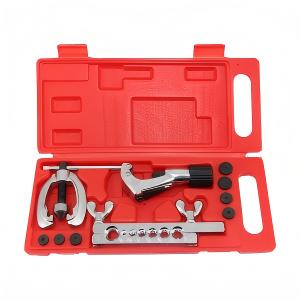
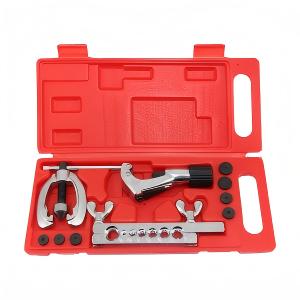
A tube flaring tool is used to expand the end of a pipe into a flared shape so that it can connect with a flare fitting and nut.
In HVAC applications, most flaring tools are designed to create a 45-degree flare, which is the standard angle used in refrigeration systems.
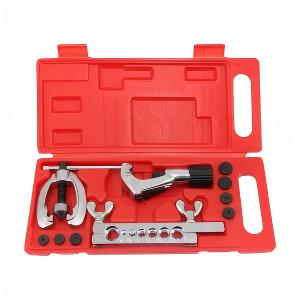
A typical flaring tool set includes:
-
Flaring bar with multiple pipe size holes
-
Compression yoke
-
Flaring cone
-
Pipe clamps
These components work together to gradually form the pipe end into the correct flare shape without damaging the tubing.
Soft Copper, Aluminum, and Steel Tubing
Flaring tools are commonly used on several types of tubing materials.
Soft Copper Tubing
Soft copper is the most common material used in HVAC installation. Its flexibility allows technicians to flare the pipe easily without cracking the metal.
Aluminum Tubing
Aluminum tubing can also be flared using standard flaring tools. However, extra care is required to avoid deformation.
Steel Tubing
Steel tubing is stronger and more rigid than copper or aluminum. Specialized flaring tools may be required depending on the pipe thickness.
How to Use a Tube Flaring Tool Correctly
Correct technique is essential to produce a clean and leak-free flare.
Step 1 – Cut the Pipe Properly
Always cut the copper pipe using a tube cutter instead of a saw. A tube cutter ensures a clean and square edge.
Uneven cuts often result in poor flaring results.
Step 2 – Remove Burrs
After cutting, burrs may remain inside the pipe.
Use a deburring tool or reamer to remove sharp edges. Burrs can weaken the flare and cause leakage.
Step 3 – Install the Flare Nut
Before flaring the pipe, slide the flare nut onto the tubing.
This step is sometimes forgotten during installation and requires the pipe to be cut and redone.
Step 4 – Clamp the Pipe in the Flaring Bar
Insert the pipe into the correct size hole in the flaring bar.
The pipe should sit slightly above the surface of the bar to allow proper flare formation.
Step 5 – Form the Flare
Position the flaring cone directly over the pipe and slowly tighten the handle.
The cone gradually presses into the pipe end and forms the flare.
Avoid applying excessive force, which can crack the flare.
Step 6 – Inspect the Flare
A proper flare should be:
-
Smooth
-
Evenly shaped
-
Free of cracks
-
Centered on the pipe
A clean flare ensures the pipe seals properly against the fitting.
The Role of Tube Benders in Copper Pipe Installation
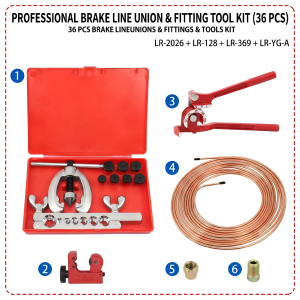
Another important tool used in HVAC pipe installation is the tube bender.
Copper pipes often need to be bent to fit within tight spaces in air-conditioning units or refrigeration systems. Bending the pipe manually can easily cause kinks or flattened sections, which restrict refrigerant flow.
A tube bender helps maintain the round shape of the pipe during bending.
Common Types of Tube Benders
Several types of pipe bending tools are commonly used.
Manual Tube Benders
Manual tube benders are simple mechanical tools designed for bending soft copper tubing.
They are widely used by HVAC installers because they are lightweight and easy to carry.
Lever-Type Tube Benders
Lever benders provide better control when bending thicker tubing and allow for precise bending angles.
Spring Tube Benders
Spring benders slide over the pipe and help prevent the pipe from collapsing during bending.
Common Pipe Bending Problems
Improper bending techniques can lead to several issues.
Pipe Kinking
Kinks occur when the pipe collapses during bending. This reduces the internal diameter of the pipe and affects refrigerant flow.
Flattened Pipe Sections
Flattening occurs when bending pressure is uneven. Tube benders help distribute pressure evenly across the pipe.
Incorrect Bending Angles
Without a proper bending tool, it can be difficult to achieve accurate angles.
Low-KD Topics Often Searched by HVAC Technicians
Many technicians search for practical information related to copper pipe tools. Some common topics include:
-
how to flare copper tubing without cracks
-
how to bend copper pipe without kinking
-
difference between flaring and swaging
-
best tools for HVAC copper pipe installation
-
common flaring problems and solutions
These topics reflect common challenges faced during field installation.
Choosing the Right Tools for Copper Pipe Work
For technicians and distributors, choosing the right flaring and bending tools depends on several factors:
-
Pipe material
-
Pipe diameter
-
Frequency of use
-
Tool durability
High-quality tools help ensure consistent results and reduce installation problems.
Conclusion
Copper tubing remains one of the most widely used materials in HVAC and refrigeration systems. Reliable pipe connections and accurate pipe bending are essential for system performance and safety.
Using proper tools such as tube flaring tools and tube benders allows technicians to create strong pipe connections, avoid refrigerant leakage, and maintain efficient system operation.
Understanding the correct techniques and common mistakes can make a significant difference in the quality of copper pipe installation.
 Prevent VRF Leaks: OEM Eccentric Cone Flaring Solutions
 Stop Waiting for OEM Parts: Why the 36-Piece Brake Line Kit is the Ultimate Profit Builder for Auto Parts Hubs
 Beyond the Weight: Why Regional HVAC Distributors are Upgrading to the LR-230 Aluminum Flaring Kit
 OEM Commercial Swaging Tool Kit | Prevent HVAC Leaks (Low MOQ)